Planning your next catering event can be a logistical challenge with 10 common catering mistakes like under-ordering, last-minute RSVP panic, menu overload, surprise rental costs and budget miscalculations, food allergy cross-contamination and temperature control, misjudging setup/breakdown times, scheduling changes, and emergency situations like power outages.
These mistakes aren’t just one-and-done either—any of these common pitfalls when planning your catering can snowball into additional problems during or after your event. In this article, you’ll learn more about 10 common catering mistakes to avoid, but you’ll also learn how Stancato’s can help you avoid them and ensure a smooth event with delicious food!
How to Avoid Under- or Over-Ordering Food for Your Guest List?
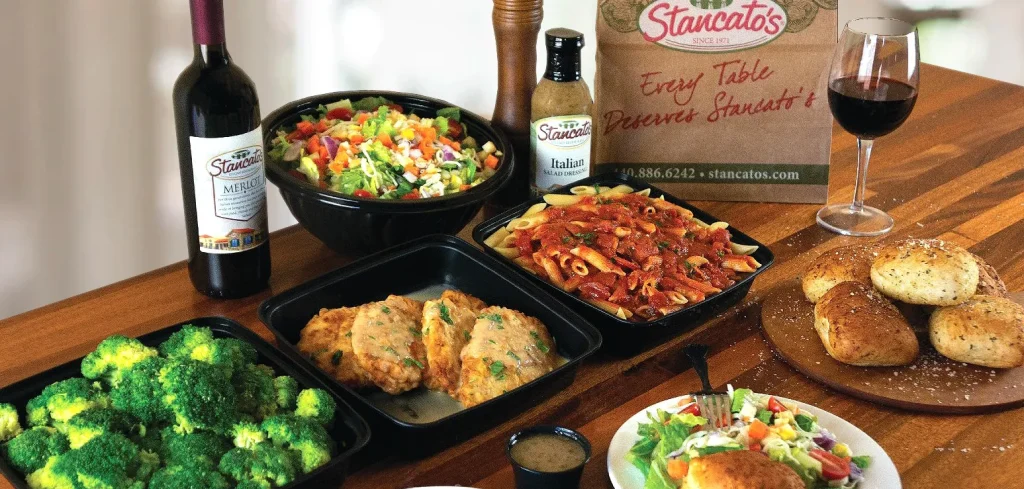
Avoid under- or over-ordering food for your guest list by creating a menu that balances crowd-pleasers with signature dishes and planning out portion-sizes that are enough to prevent food shortage while still minimizing leftover risk.
How to Create a Balanced Menu to Suit Everyone’s Tastes
Creating a balanced catering menu helps ensure that there’s something for everyone to love while still offering special selections that reflect your personality or event’s theme. Consider dishes that are familiar to you and your guests—this ensures budget isn’t wasted on underappreciated food choices.
Oftentimes, caterers offer consultation to assist you in finding not just familiar options but other dishes that are different but may be close in flavor, richness, or texture to help you find something unique that doesn’t stray too far from your guests’ tastes.
Stancato’s catering offers a generous variety of Italian foods, including the ability to setup a pasta bar for everyone to make their own favorite pasta dishes.
How to Avoid Portion Misjudgment and Prevent Food Shortages
To avoid portion misjudgment that leads to food shortages, consider your guests and determine if larger or smaller portions may be required such as for children, athletes, or a whole hungry crowd if it is right after a lengthy event. Another factor that can lead to food portion mistakes is not considering total food volume when you add your side dishes and desserts.
For a way to have some extra portions as “insurance”, caterers may offer their food choices in certain quantities such as half-pan or full-pan, or they may have a certain order amount per number of people. This means for a set price, you can relax knowing there will be some extra food for anyone who is especially hungry.
Stancato’s catering offers both single entrees as well as generous platters, half-pans, full-pans, and baskets, depending on the type of dish being selected.
How to Best Handle Last Minute RSVPs or No-Shows?
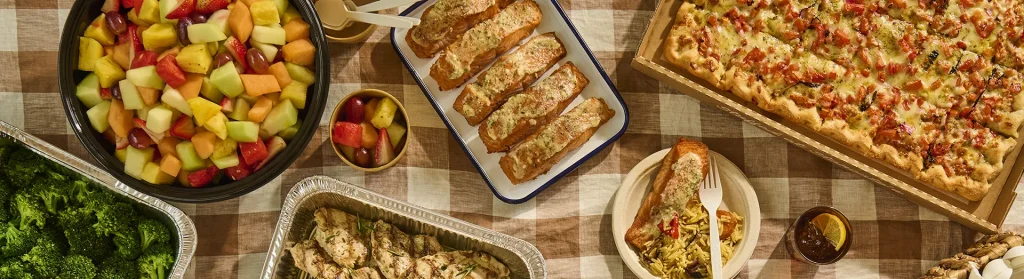
The best way to handle last-minute RSVPs and no-shows is to build your catering plan with flexibility in mind, anticipating unpredictable guest attendance, using communication strategies to have a more accurate confirmation of attendance as the event nears, finding a caterer that can adapt to a situation change fast, and as mentioned above, considering ordering a little extra for “insurance”.
Here are some tactics to solve these issues and minimize the impact of any last-minute RSVPs or no-shows…
Create RSVP Deadlines That Allow Time for You and Your Caterer to Adjust and Adapt
It is crucial to set an RSVP deadline that gives you and your caterer time to adapt, otherwise you may be found with too little or too much food. Coordinate with your caterer to find the right date, but make sure that the final RSVP day is at least 72 hours in advance of your event. Having that three-day grace period will allow any adjustments to be made.
Use an Online RSVP Tool to Improve Guest Response
Online RSVP tools can help improve guest responses by sending out notifications and reminders while keeping accurate track of which guests are going to attend, and which aren’t.
Some digital invitation platforms include the likes of Evite and Paperless Post which offer RSVP features and attendance tracking tools.
Consider Adding 5-10% More to Your Food Order in Case of Last-Minute Arrivals
Ordering an additional 5-10% more food to your catering order can help act as a buffer in the case of a guest or guests who RSVP’d late or didn’t respond to your initial invitation. Even if those last-minute guests don’t show up, this additional food will be good for any guests who come especially hungry.
Stancato’s catering can coordinate with you to ensure that your event will be ready for last-minute guest responses or no-shows. But there’s also the potential scenario of guests bringing unexpected plus-ones with them or even the event needing to get moved to a different time of day at your chosen venue.
How Do I Build in a Buffer for Unexpected Plus-Ones or Scheduling Changes?
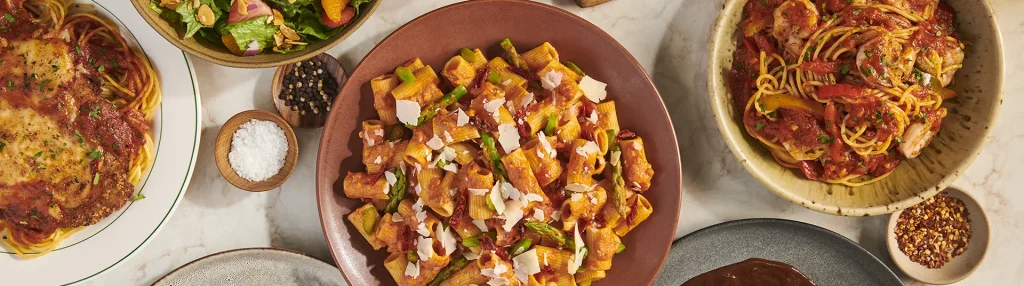
To prepare for unexpected plus-ones or scheduling changes with your venue, work with your caterer to build buffers for your catering timeline, food quantity, and communication. Here are some ways to build an event contingency plan that’ll ensure your catering is ready for anything.
Strategies to Manage Unexpected Plus-Ones Politely and Logistically
While it is not guaranteed to prevent unexpected plus-ones, there are strategies to create a soft buffer that will politely guide your guests and keep surprises to a minimum while logistically preparing for the surprise plus-ones that do show up.
Consider having a clear RSVP policy stated in your invitations to ensure your guests are aware of who is invited and expected. Meanwhile, you should also consult with your caterer about this soft buffer to plan out how to take care of the surprise guests who may appear.
Best Practices to Boost Timeline Flexibility with Your Venue and Catering
Improving your timeline flexibility requires accommodating for factors such as catering setup, service, and breakdown—all the work and time that goes into those steps can easily get thrown off by an extended speech or guests arriving late, so it’s important to consider having a 30-60 minute time cushion to ensure that your catering is done at just the right time.
Communicating With Your Caterer About Soft Headcounts and Contingency Plans
Be clear with your caterer that you’d like to discuss about headcount uncertainty and that you’d like to plan with an “expected number of guests vs possible number of guests” in mind—your caterer can help you plan for portions and build contingency plans for your catering menu in case actual attendance should change.
Stancato’s catering offers free consultations for your event and will be happy to meet your scheduling and guests’ needs, from food options that have single and multi-person portions to service options like last-minute order for pickup.
But timing is just one facet of your catering planning that needs to be taken care of—there is also ensuring that your catering remains within your planned budget.
What Budget Pitfalls Do First-Time Catering Clients Often Make?
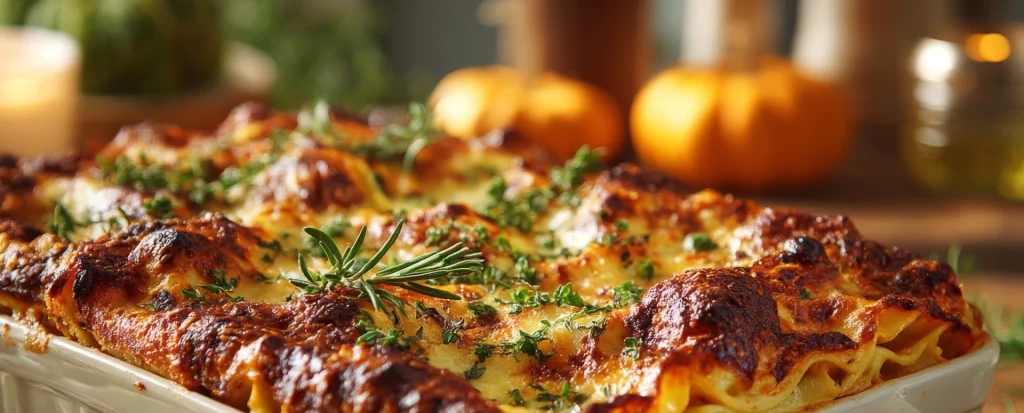
First-time catering clients may encounter a variety of budget pitfalls if they should underestimate their full catering costs including factors like guest count, setup time and labor, or even catering staff—even just one of these pitfalls can lead to a budget getting blown out.
Look Beyond the Per-Person Price to Get the Full Picture
On the surface, catering might feel like the cost revolves around per-person, but that does not account for other costs like taxes, delivery, staffing services, setup and breakdown, and equipment rentals.
The best way to avoid this pitfall is to ask your caterer upfront about what invoice line items will come with a cost such as:
Food and drink costs
Additional food costs such as for alcohol or recipe changes for food allergies and dietary restrictions
Additional service charges, such as for setup and breakdown, staffing, utensils and linens, and equipment rentals.
Other additional costs such as taxes
Along with a catering consultation, you should expect a full rundown of your costs for the entire catering package you’ve assembled. The Stancato’s catering team would be happy to walk you through the costs of each item in your catering package to make your event come true without going beyond your budget limits.
Don’t Overcommit to Premium Items and Add-Ons to Keep Your Budget on Track
While it’s fine to indulge in a few premium items like service add-ons or dish upgrades, trying to upgrade everything will quickly exceed your budget plans. Consider giving gourmet upgrades to one or two dishes to make them stand out amongst the rest but consult with your caterer about additional value-based planning for your menu so you have the quality you want on the budget you need.
Ask About the Cost of Staff, Setup, and Breakdown to Avoid Surprises
To avoid surprises in your invoice, be sure to ask your caterer about the costs of staffing and the setup and breakdown for the event—this is especially if you’re looking to have full-service catering at your venue where there may be labor rates and cleanup fees.
If full service is more than your budget can handle, caterers often have alternative options like delivery and pickup. Stancato’s catering offers flexibility with full service, delivery, and pickup options. But regardless of your catering service format, you’ll also need to ensure that the menu you build complements the event and doesn’t slow the service down.
How Do I Prevent Menu Overload from Slowing Service Down?

Menu overload is prevented by planning shorter menus, streamlining your buffet, or organizing your menu to follow a theme. A large menu may be impressive for your guests, but too many choices can lead to slower service, longer wait times, restless guests, overwhelmed servers, and food going cold.
Plan a Shorter Menu to Improve Flow, Reduce Waste, and Maintain Quality
Designing a shorter but carefully curated menu with the Stancato’s catering team can improve the speed and quality of service for your guests as food can be prepared efficiently and served as fresh as possible. This also improves food quality by ensuring guests receive their food sooner after they’ve been prepared.
Streamlining Your Buffet Choices Prevents Guest Line and Service Bottlenecks
Even in a buffet format, having too many choices can cause issues as indecision creates service bottlenecks, slows down the food line traffic, and creates guest frustration. A hold up in the buffet line can also create a domino effect as it disrupts guest seating as well as kitchen pacing.
Center Your Menu Around a Theme to Stay Focused
Having a theme to build your menu around can help you stay focused and organized, preventing overload. An alternative to a theme would be to offer your guests a choice between a few preset menus, ensuring that there is variety while keeping the caterer on track to make the right foods and serve them efficiently.
Oftentimes, there is a way to please all your guests while maintaining a streamlined menu, ensuring timely service, better food quality, and a better overall experience for everyone. But before finalizing your organized menu, you’ll need to make sure that all food allergies and dietary restrictions have been accounted for so that your guests can safely enjoy their meals.
How Do You Ensure Safe Cross-Contamination Controls for Food Allergies and Dietary Restrictions?
Safe cross-contamination controls for food allergies and other dietary restrictions can be ensured by understanding how cross-contamination may occur, how to communicate properly with your caterer about special dietary requests, and how to build inclusive menus that don’t sacrifice flavor.
Understand the Risk of Cross-Contamination to Properly Meet Dietary Requests
Cross-contact can happen at any time from the kitchen to the guest’s table—any shared surface such as plates, serving utensils, and even cooking surfaces are all potential ways for food allergens to get passed to a dish.
If you have guests that have any allergies or dietary restrictions, consider a plated format for your catering and not a buffet. Self-serve buffets without proper controls become a high risk for cross-contamination as guests use shared serving utensils.
Communicate Dietary Restrictions with Your Caterer Early to Ensure Guest Safety
Alerting your caterer as soon as possible to guest dietary restrictions will help ensure their safety when the food is served at your event, but to achieve this you’ll need to perform dietary data collection such as by having an allergy prompt in your RSVP invitations or asking your guests directly, then communicate any allergy alerts and food sensitivity notices to your caterer in advance.
Let Stancato’s catering help you with creating a list of guests with specific dietary restriction notes, this will help organize efforts to protect your guests and ensure everyone is served to their needs.
Offer Inclusive Menus That Still Taste Great
If you have guests with dietary restrictions and allergies, consider creating an inclusive menu that offers all allergy-free food—caterers can modify recipes to make them just as delicious as the original while replacing the ingredients that would trigger any allergic reactions. This benefits all guests by ensuring no one feels left out, while everyone still gets to have great food at your event.
With your menu thoroughly determined and planned, you’ll need to ensure that you have the logistics of your event in place as well, like how early you’ll need to set up and how fast breakdown will be needed before your time at the venue ends.
How Do I Avoid Mistakes in Estimating Setup/Breakdown Times?

Mistakes in estimating your setup and breakdown times can be prevented by determining realistic setup times based on your service format, coordinating with your venue for early access, and buffering for cleanup and equipment pickup time.
Consider Your Event Format to Estimate Realistic Setup Times
Your event format, whether it is a full-service plated experience, a delivery drop-off for a buffet, or an order pickup, will have an impact on what would be a realistic time for setup. Underestimating your setup times can lead to cold food, delays in service, and lost venue time. Consult with your caterer about planning out the setup phase ahead of time.
For example, a full-service plated dinner experience might take as long as 60-90 minutes to prepare, or even two hours depending on how large of an event you have. But, on the other hand, a catering delivery for a buffet, with all the food already in serving trays, may only take as long as 30 minutes to have fully set up.
Coordinate with Your Venue for Early Access and Buffer for Teardown Times
While different venues have their own rules about when caterers can bring food and equipment and when they must pack up, you can ensure you avoid missing your venue’s exit time and enjoy your event to the fullest by coordinating with the venue to get early access for setup and plan out when teardown and packing up must begin.
With proper timing, you can avoid any potential fees for late exits while still getting to enjoy the full service of Stancato’s.
Make Your Event Deliciously Trouble-Free with Stancato’s Catering
For over 40 years, Stancato’s has provided Cleveland’s best catering and has helped people like you with creating delicious and trouble-free events—we offer free catering consultations, and our staff are fully trained in food presentation, serving, and ensuring your food stays fresh throughout your event. Whether it’s full service, delivery, and pickup service that you require, you can always count on Stancato’s to have something to please any crowd.
How would you like us to cater your event?
Select an option below to get started with your perfect catering experience: